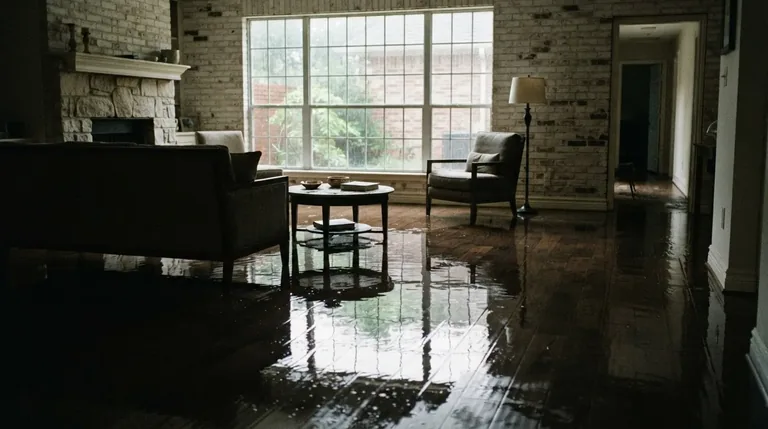
Water Damage in Houston, TX: What to Do First
Houston 311 (713-837-0311 from outside the city) takes water and sewer reports any hour. Here is your first-hour checklist, who to call, and how restoration and insurance claims work in Houston, TX.
Who to Call First in HoustonYour First Hour With Water Damage in a Houston Home
If water is actively coming into your Houston home, keep people safe first, then stop the source if you can do it safely, document the damage with photos, and call your insurer. Do not wade through standing floodwater, and do not touch electrical equipment while standing in water. The steps below follow FEMA, EPA, and City of Houston guidance.
- Leave the area if officials have ordered an evacuation, and do not go back until officials say it is safe.
- Do not enter the home if floodwater is still standing around it, or if you smell gas, see structural damage, or notice downed wiring.
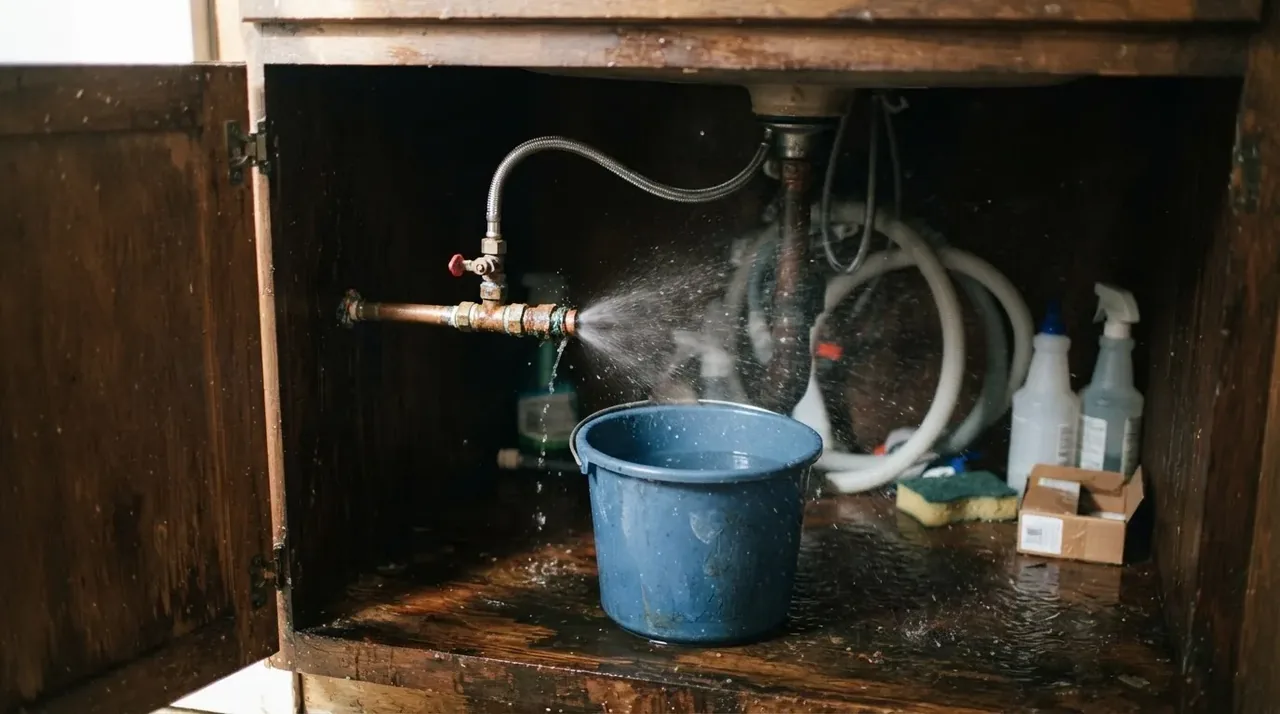
- Shut off water at your home's shutoff valve if you can reach it safely. For a City water-main break or sewer backup, report it to Houston 311 or 713-837-0311 from outside the city.
- Turn off electricity only if it is safe to reach the breaker box. Never touch wet electrical equipment or step into standing water to reach it.
- If you need a generator, run it outdoors only, away from windows and doors.
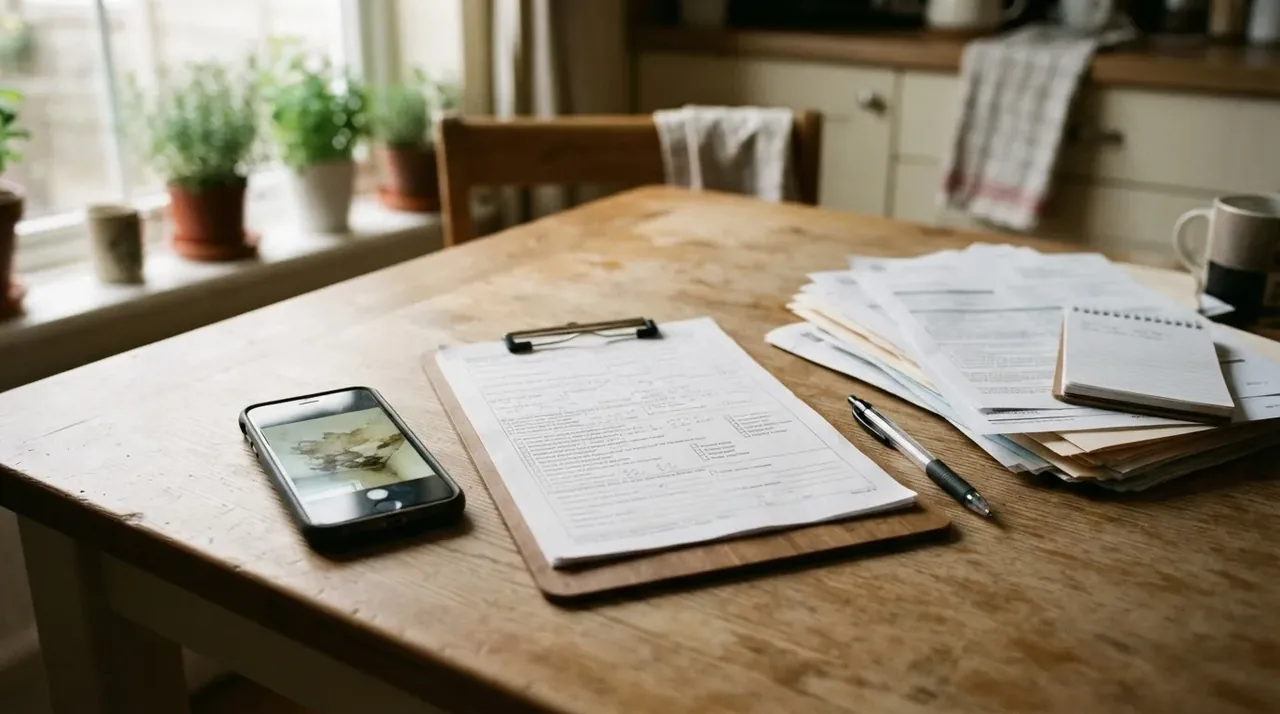
- Photograph and video the damage before you start cleaning up, including water lines on walls, affected rooms, and the source of the leak.
- Call your insurance company as soon as it is safe, and keep receipts for temporary repairs, hotel stays, and cleanup supplies.
- Make only the temporary repairs needed to stop further damage. Wait for the insurer or adjuster before you make permanent repairs, or before you throw away damaged belongings, unless they are a health or safety hazard — photograph them first.
- Move wet rugs, furniture, and boxes off wet flooring quickly. Wet materials can start growing mold within 24 to 48 hours.
Six inches of moving water can knock a person off their feet, and about a foot of moving water can move a vehicle, according to FEMA. Treat any moving floodwater around your home as dangerous, not just an inconvenience.
Who to Call First in Houston
For a City water-main break, sewer backup, or wastewater problem in Houston, call 311 inside the city or 713-837-0311 from outside it; the line takes reports any time of day. Call 911 only if there is an immediate danger to life or property. Your insurer and a local restoration provider come next.
- Houston 311 or 713-837-0311: City of Houston water-main breaks, sewer backups, and wastewater issues, also reachable by email at 311@HoustonTX.gov.
- 911: only for an immediate threat to life or property, such as fire, electrocution risk, or a structure that may collapse — not for routine cleanup.
- Your insurance company: call as soon as it is safe, and ask what documentation they need before you make repairs.
- A local water damage restoration provider: once the immediate danger has passed, to start inspection and water removal.
Not sure which flood zone your street sits in, or where your home's own water shutoff is? Start with the Houston flood zones and water shutoff guide before you make any other call.
Why Houston Homes Flood
Houston floods for more reasons than hurricanes. Storms, an extensive bayou system, and reservoirs built to hold stormwater all play a part, and ordinary plumbing failures that have nothing to do with weather add to the count. Knowing the pattern helps you judge your own risk and plan ahead.
- Hurricane season: the Atlantic hurricane season runs June 1 through November 30, though storms can form outside that window.
- Storms Houston still talks about: Hurricane Harvey (2017) and Tropical Storm Allison (2001) for heavy rain, and the February 2021 freeze (Winter Storm Uri), which burst pipes across the area.
- Bayous and reservoirs: the Addicks and Barker reservoirs were built to hold stormwater away from downtown Houston.
- Frequency: the Harris County Flood Control District says a major flood happens somewhere in the county roughly every two years.
- Paved surfaces: the National Weather Service notes that pavement and rooftops send far more rainfall straight into bayous and storm drains than open, natural ground would — paved surfaces increase runoff.
- Everyday causes: slab leaks in homes built on expansive clay soil, water heaters installed in attics, and clogged AC condensate lines can also cause water damage in Houston homes, separate from any storm.
Being outside a FEMA-mapped floodplain does not mean a property cannot flood. The Harris County Flood Control District has said residents do not need to live near water to flood.
A slab leak or a frozen pipe often shows up the same way a storm does — water somewhere it should not be. If a pipe is the source, see what to do after a burst pipe in Houston. For flooding tied to a named storm or heavy rain, see the separate flood damage restoration steps for Houston homes.
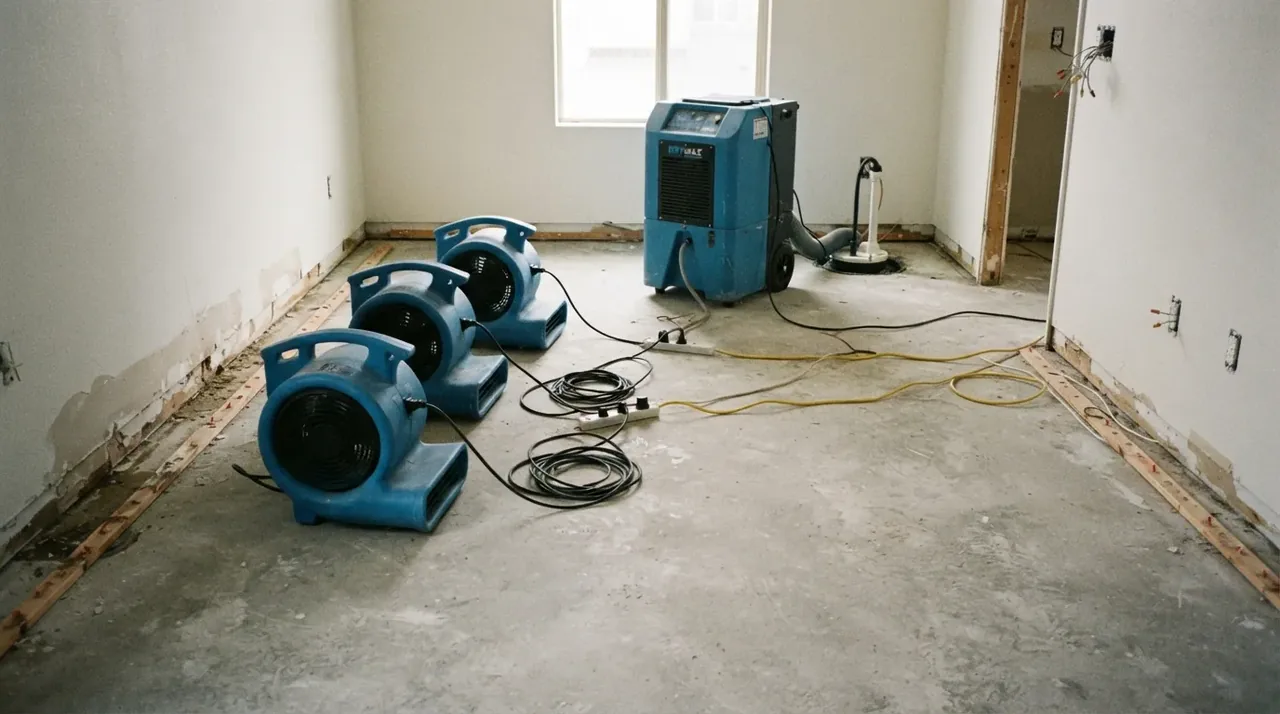
How Professional Water Damage Restoration Works
A typical restoration job moves through the same broad stages regardless of the cause: inspection, water removal, drying, cleaning, and repairs. Exact timing depends on how much water got in, what it touched, and which materials are affected — a provider should give you a written plan, not a guess.
- Inspection and assessment: the provider checks how far the water traveled, what materials it touched, and whether the water is clean supply water, used "gray" water, or water carrying sewage or floodwater contamination.
- Water removal: pumps and extraction equipment take out standing water.
- Drying: fans, dehumidifiers, and moisture readings track how dry walls, floors, and framing are getting, room by room.
- Cleaning and treatment: affected materials are cleaned, and materials that cannot be saved are removed.
- Repairs: drywall, flooring, and other finishes are rebuilt once the space measures dry.
Drying time depends on materials, temperature, and humidity — ask the provider for a written drying plan with moisture readings, not a fixed day count.
Mold After a Water Leak or Flood
Mold does not wait. FEMA says wet carpeting, furniture, bedding, and other items holding moisture can develop mold within 24 to 48 hours. EPA separately says mold generally will not grow if wet or damp items are dried within 24-48 hours. Speed matters more than any particular cleaning product.
- FEMA/Ready.gov: "Wet carpeting, furniture, bedding and any other items holding moisture can develop mold within 24 to 48 hours."
- EPA: "In most cases, mold will not grow if wet or damp items are dried within 24-48 hours."
- CDC advises drying affected areas out fully and quickly, within 24 to 48 hours.
- EPA recommends double-bagging mold-contaminated materials that cannot be saved, in plastic sheeting at least 6 mil thick, before you carry them out of the house.
- People with asthma, lung disease, or a weakened immune system should avoid entering rooms with visible or suspected mold.
For a longer look at inspection, remediation steps, and when a Texas mold license applies to the job, see the full guide to mold after water damage in Houston.
Texas Insurance Basics for Water Damage Claims
Most standard Texas homeowners policies cover a sudden, accidental water release, such as a burst pipe, but typically exclude flood damage, continuous leaks, and mold beyond what a covered event required. This is general information, not legal or insurance advice — talk to your insurer or an attorney about your specific policy.
- Sudden and accidental water damage, like a burst pipe, is typically covered, subject to your policy's terms and deductible, per Texas Department of Insurance guidance.
- Flood — water that rises from outside, such as an overflowing bayou or storm surge — is typically excluded from a standard homeowners policy.
- Continuous or repeated seepage and leaks are typically excluded.
- Mold is typically excluded except for the remediation a covered water event required; mold coverage varies by policy and endorsement, and Texas Department of Insurance orders show examples of sublimits set at 25 percent, 50 percent, or 100 percent of dwelling coverage, depending on the endorsement.
Renters: your renters policy covers your belongings, not the building itself — the property owner's policy covers the structure. Tell your landlord about the damage in writing.
| Deadline or Rule | What It Means | Statute Section |
|---|---|---|
| Acknowledge and start investigating | Insurer must acknowledge the claim and start investigating within 15 calendar days of getting your notice (an eligible surplus lines insurer has until the 30th business day) | Ins. Code 542.055(a) |
| Accept or reject the claim | 15 business days after the insurer has everything it requested from you | 542.056(a) |
| Delayed decision | If the insurer needs more time, it must accept or reject the claim within 45 days of telling you why | 542.056(d) |
| Pay an accepted claim | 5 business days after the insurer notifies you the claim will be paid | 542.057(a) |
| Late payment | Payment more than 60 days after the insurer has received all the items, statements and forms it reasonably requested can add interest and costs the insurer owes you | 542.058(a) / 542.060 |
| Declared-disaster extension | The deadlines above extend by 15 additional days after a weather-related catastrophe or major natural disaster, as defined by the Texas insurance commissioner | 542.059(b) |
| File a complaint about your insurer | Texas Department of Insurance, 800-252-3439, 8 a.m. to 5 p.m. Central, Monday through Friday | TDI consumer help |
Checked: September 2026, against Texas Insurance Code chapter 542 and the Texas Department of Insurance pages linked on this page.
If a public adjuster is helping with your claim
A public adjuster works for you, not the insurer, and must hold a Texas Department of Insurance license. By law, the total commission a public adjuster can charge may not exceed 10 percent of the insurance settlement on the claim. For a full walkthrough of filing and following up on a Texas claim, see filing a water damage insurance claim in Texas.
Flood insurance is separate from your homeowners policy. The National Flood Insurance Program covers up to $250,000 for your dwelling and up to $100,000 for its contents, with a standard 30-day wait after you buy a policy before coverage starts. The Texas Windstorm Insurance Association covers wind and hail only — it does not cover flood or storm surge.
Choosing a Water Damage Restoration Provider in Houston
Ask any Houston water damage provider for proof of general liability insurance and any trade license the job actually requires before work starts. A written, itemized scope of work and a plan for tracking drying progress are also reasonable things to ask for. A provider that answers these questions clearly, in writing, is easier to hold to the job later.
- Ask for proof of insurance before anyone starts work.
- Ask whether the job needs a specific trade license — plumbing repairs fall under the Texas State Board of Plumbing Examiners, and HVAC or electrical work falls under the Texas Department of Licensing and Regulation.
- Get a written, itemized scope of work rather than a verbal estimate.
- Ask how the provider tracks drying progress, such as moisture readings by room.
- Confirm who is handling any mold work and whether the job needs a state mold license.
Texas mold licensing rules
Under the Texas Occupations Code, chapter 1958, mold assessment or remediation work covering 25 or more contiguous square feet generally requires a state mold license. A separate exemption lets an owner, or their managing agent or employee, skip the license when doing limited work on their own residential property with fewer than 10 dwelling units — that exemption turns on who owns the property, not the size of the job. The same license holder is not allowed to act as both the mold assessor and the mold remediator on the same project; those have to be two different companies or people.
How this site works
This is an independent guide, not a restoration company. It connects Houston homeowners with providers that serve your ZIP code — it does not send crews or do drying and repair work itself. Ask any provider you are connected with for the proof of insurance and trade licenses described above before you agree to anything.
If That Did Not Work
Sometimes the first call or the first attempt does not solve the problem. Here is what to try next, and roughly how long to wait before you escalate.
- Try again: if one provider is unavailable, try another available provider. Letting water sit for more than a day can make the damage worse.
- Another route: if the water source is a City main or sewer issue and your first 311 report has not been resolved, contact 311 again.
- Who to contact: if your insurer has missed one of the Texas Insurance Code chapter 542 deadlines above, or you disagree with how a claim was handled, file a complaint with the Texas Department of Insurance at 800-252-3439.
What Changed on This Page
- September 2026: page published; phone numbers and legal deadlines checked against the official sources linked above.
Frequently Asked Questions
Does homeowners insurance cover a burst pipe in Houston? ▾
Does my policy cover flood damage? ▾
How fast can mold start after water damage? ▾
Should I go into my house if there is still standing water? ▾
Who do I call for a City water-main break or sewer backup in Houston? ▾
Do I need a public adjuster for my claim? ▾
When does a Texas mold job need a state license? ▾
What if my insurer denies part of my claim? ▾
Water in your home right now?
See who to call first in Houston, how to reach your water provider, and how to check your flood zone.
Who to Call First in Houston