Water Damage in Houston, TX: Who to Call First
Houston 311 handles water main breaks and sewer backups, and Harris County Flood Control District offers a flood mapping tool and a real-time flood warning system.
Who to Call First in HoustonWho to Call First, in Order
When water is coming into your Houston house, work through five steps in order: call 911 only if someone is in danger, shut off the water at your house if you can safely reach the valve, report a city water or sewer problem to Houston 311, notify your insurer, then contact a restoration provider that serves your ZIP code.
- Call 911 only if there is an immediate danger to life or property — a gas smell, exposed live wiring, or floodwater moving fast enough to sweep someone away.
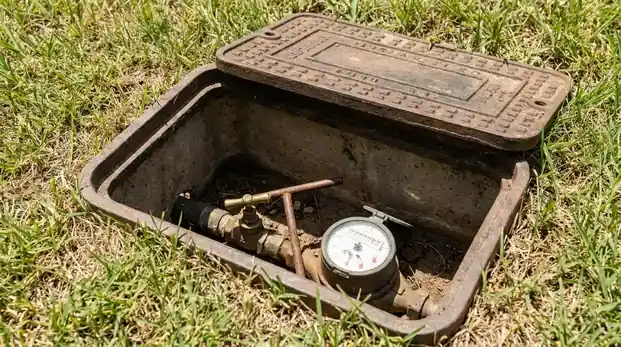
- Shut off the water at your house's main valve if you can reach it without standing in water or touching electrical equipment.
- Call Houston's 311 line, or 713-837-0311 from outside the city, to report a water main break, sewer backup, or flooding in the street.
- Call your insurer to open a water damage insurance claim before you make anything beyond temporary repairs.
- Contact a restoration provider that serves your ZIP code when it is safe to arrange cleanup.
| Who to Call | When to Call | Contact |
|---|---|---|
| 911 | Immediate danger to life or safety | 911 |
| Water shutoff at your house | You can safely reach the valve | No phone needed |
| Houston 311 | City water main break, sewer backup, or street flooding | 311 inside Houston, 713-837-0311 outside it, 311@HoustonTX.gov |
| Your insurer | As soon as the immediate danger is handled | Number on your policy card |
| A restoration provider | When it is safe to arrange cleanup | A provider that serves your ZIP code |
Checked: September 2026 against the City of Houston 311 page linked above.
For the bigger picture on choosing a provider and what happens after the call, see the full Houston water guide.
Shutting Off the Water and Reporting It to the City
If a pipe bursts or a fixture fails inside your house, shutting off the water at the main valve stops the damage from spreading while you wait for help. A city-owned water main break, sewer backup, or flooded street is different — that is Houston Public Works' job, and you report it through 311, not your own shutoff valve.
Shutting Off the Water at Your House
Use your home's main shut-off valve if you can reach it safely. Do not force a valve you cannot operate; seek qualified help instead. Report a suspected main break, sewer backup, or street flooding to 311; for a leak inside your own house, use a safely accessible shut-off instead.
Reporting a Main Break, Sewer Backup, or Street Flooding
Call Houston's 311 line from inside the city or 713-837-0311 from outside it to report a water main break, a sewer backup, or flooding in the street. The line takes reports any time, day or night, and you can also email 311@HoustonTX.gov. For a pipe that bursts inside your own house rather than in the street, see what to do about a burst pipe in a Houston home.
Report a suspected main break, sewer backup, or street flooding to 311. For an indoor leak, use a safely accessible shut-off and contact your insurer.
Outside Houston City Limits or in a MUD
From outside the city, reach Houston 311 at 713-837-0311. If your address is outside Houston, in unincorporated Harris, Fort Bend, or Montgomery county, your water provider may be a utility district rather than the City of Houston — find its name and emergency number in your account records.
Houston 311's number from outside the city is 713-837-0311. You can also email 311@HoustonTX.gov.
How to Check If You Are in a Flood Zone
Three tools show whether your Houston-area address sits in a mapped flood zone or is at risk from rising water. None of them replace an official flood zone determination for insurance, but each helps you understand your risk before you rebuild or reroute rainwater.
- Harris County Flood Education Mapping Tool — an interactive map from the Harris County Flood Control District showing FEMA-based flood zones by address; it is an education tool, not the official current flood map.
- Harris County Flood Warning System — real-time rainfall and bayou or stream gauge readings, useful for tracking rising water during a storm rather than checking your zone ahead of time.
- MAAPnext flood map update — the Harris County Flood Control District's project to update FEMA's flood maps for the county, useful if you want to see how the mapped zones are changing.
These county tools are built on FEMA flood zones but are not the official current Flood Insurance Rate Map. These tools do not replace an official flood zone determination.
Permits, Electricity, and Gas Safety
Before repair work starts, two questions matter: whether the repair needs a city permit, and whether it is safe to leave the power and gas on. Get both answered before anyone tears into walls.
Permits and Floodplain Rules
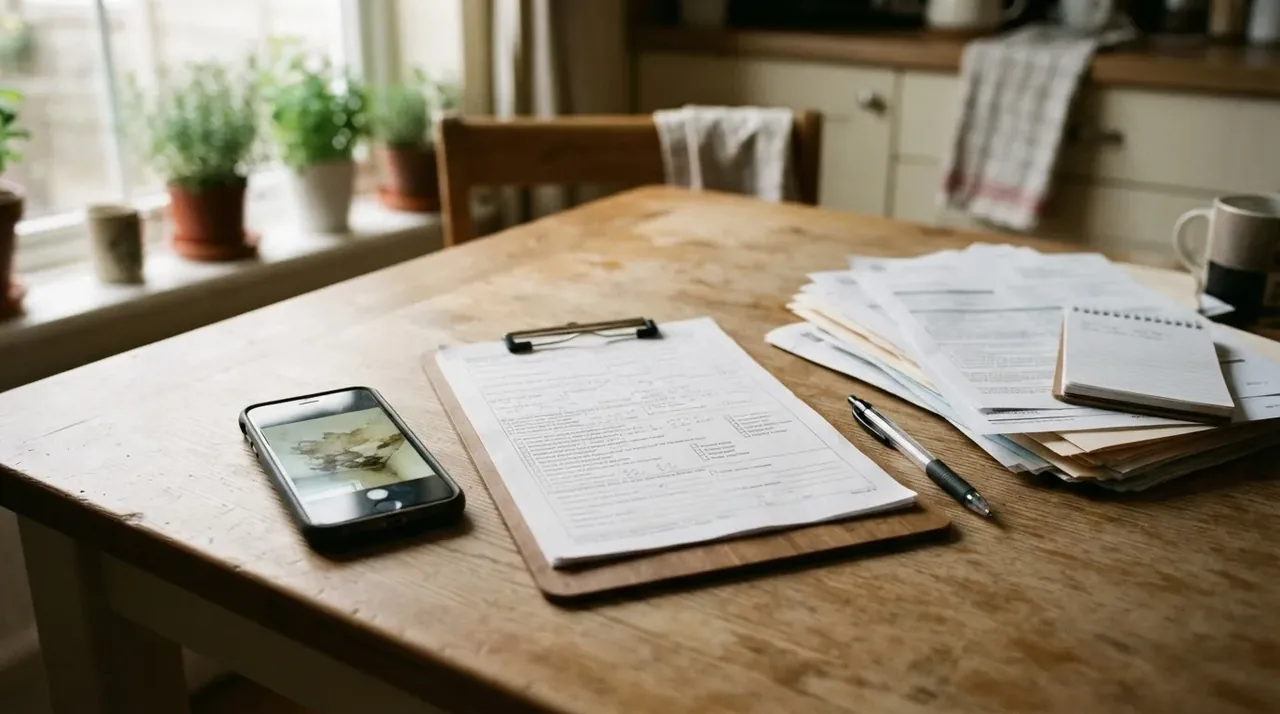
Before you repair a home in a mapped floodplain, get a written determination from Houston's floodplain protection office, especially if the home may have suffered substantial damage. That office can tell you whether your specific repair needs a permit.
Electricity and Gas Safety
- Do not touch electrical equipment that is wet, or touch any electrical equipment while you are standing in water.
- If you can reach it safely, turn off power at the main breaker or fuse box; if the panel itself is wet, leave it alone and wait for help.
- If you smell gas, leave the house and report it before you do anything else inside.
- Do not run a generator indoors — keep it outside and away from windows, doors, and vents.
Wet carpet, insulation, and furniture can start growing mold within 24 to 48 hours, according to FEMA, so pull soaked materials out once it is safe — see mold growth after a flood for what to do next.
If That Did Not Work
If 311 does not pick up, or the shutoff valve will not turn, do not wait for the same channel to work a second time. Try again briefly, then switch to a different route, and escalate to 911 only if the situation is turning dangerous while you wait.
- Try again: if the call does not go through, try again or email 311@HoustonTX.gov.
- Try another route: if the shutoff valve will not turn or you cannot find it, do not force it — seek qualified help instead of waiting.
- Escalate: if the situation is getting worse while you wait — rising water, a gas smell, an electrical hazard — call 911 rather than continuing to wait on a non-emergency line.
What Changed on This Page
- September 2026: page published; phone numbers and legal deadlines checked against the official sources linked above.
Frequently Asked Questions
Should I call 911 or Houston 311 first? ▾
How do I find my house's water shutoff valve? ▾
What if I live outside Houston city limits? ▾
How do I check whether my house is in a flood zone? ▾
Do I need a permit to repair flood damage? ▾
Is it safe to leave the power on? ▾
Who do I call after the immediate danger is handled? ▾
Water in your home right now?
See who to call first in Houston, how to reach your water provider, and how to check your flood zone.
Who to Call First in Houston