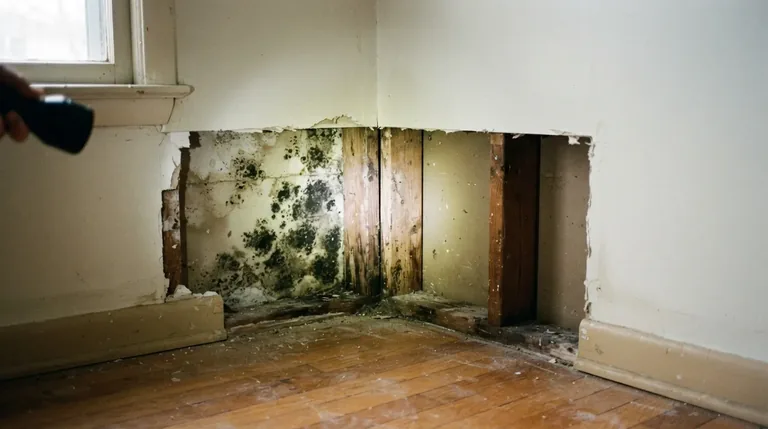
Mold After Water Damage in Houston, TX: What to Know
FEMA says wet materials can develop mold within 24 to 48 hours, and Texas law requires a license for most mold remediation work over 25 square feet, with exceptions for homeowners.
Who to Call First in HoustonHow Fast Mold Can Start After Water Damage in Houston
FEMA says wet carpeting, furniture, bedding, and other items that hold moisture can develop mold within 24 to 48 hours. Houston's warm, humid air slows how fast wet materials dry out, which is one more reason to get water out of a home as soon as it is safe to do so.
Why Houston's Heat and Humidity Raise the Stakes
Houston's Gulf Coast climate keeps outdoor humidity high most of the year. Warm, humid air holds more moisture and slows evaporation, so materials that got wet in a Houston home can take longer to dry out than they would in a cooler, drier climate. That does not change the 24-to-48-hour figures FEMA and EPA describe below; it is simply a reason drying speed matters here.
- A musty odor in the room that was not there before the water event
- Discoloration, streaking, or fuzzy patches on drywall, baseboards, or fabric
- Paint or wallpaper that is bubbling, peeling, or feels soft
- FEMA (Ready.gov): "Wet carpeting, furniture, bedding and any other items holding moisture can develop mold within 24 to 48 hours." See the FEMA flood fact sheet.
- EPA: "In most cases, mold will not grow if wet or damp items are dried within 24-48 hours." See the EPA mold course.
- CDC recommends drying wet materials fully and quickly within 24 to 48 hours after a flood. See CDC mold guidance.
For the broader picture of what to do right after water gets into a Houston home, not just the mold risk, see the Houston water damage overview.
Who Is Allowed to Remove Mold in Texas
Texas requires a TDLR license to perform mold assessment or mold remediation on most projects, under Occupations Code Chapter 1958. A company hired to do the work needs a mold remediation license once the project's mold covers 25 contiguous square feet or more; that area-based exemption applies to remediation, not assessment. Separately, an owner may assess or remediate their own residential property with fewer than 10 dwelling units, with no area limit. The table below lists the specific rules.
| Texas Rule | What It Requires | Statute Section | Verified |
|---|---|---|---|
| License required for mold work | A TDLR license holder must do mold assessment or mold remediation work. | Occ. Code Section 1958.101 | Checked: September 2026 |
| Small-area exception (remediation only) | No license is required to perform mold remediation when the contamination on a project covers less than 25 contiguous square feet. This exemption does not cover mold assessment. | Section 1958.102(c) | Checked: September 2026 |
| Owner-occupied exception | An owner may assess or remediate their own residential property with fewer than 10 dwelling units; this exemption has no area limit. | Section 1958.102(e) | Checked: September 2026 |
| One role per project | The same license holder cannot act as both the mold assessor and the mold remediator on one project. | Section 1958.155(a) | Checked: September 2026 |
| Certificate of mold remediation | The remediator gives the owner a certificate of mold remediation no later than the 10th day after the work ends. A seller must give a buyer certificates issued in the previous five years. | Section 1958.154 | Checked: September 2026 |
| Emergency notice to TDLR | In an emergency, the license holder notifies TDLR no later than the next business day. | Section 1958.153(b) | Checked: September 2026 |
You can read the full text in Texas Occupations Code Chapter 1958 on the state's official statutes site, and check a mold assessor's or remediator's license number directly with the Texas Department of Licensing and Regulation.
This is general information about Texas law, not legal advice. If you are not sure whether a project needs a license, ask TDLR or a license holder before work starts.
What You Can Safely Do Yourself vs When to Call a License Holder
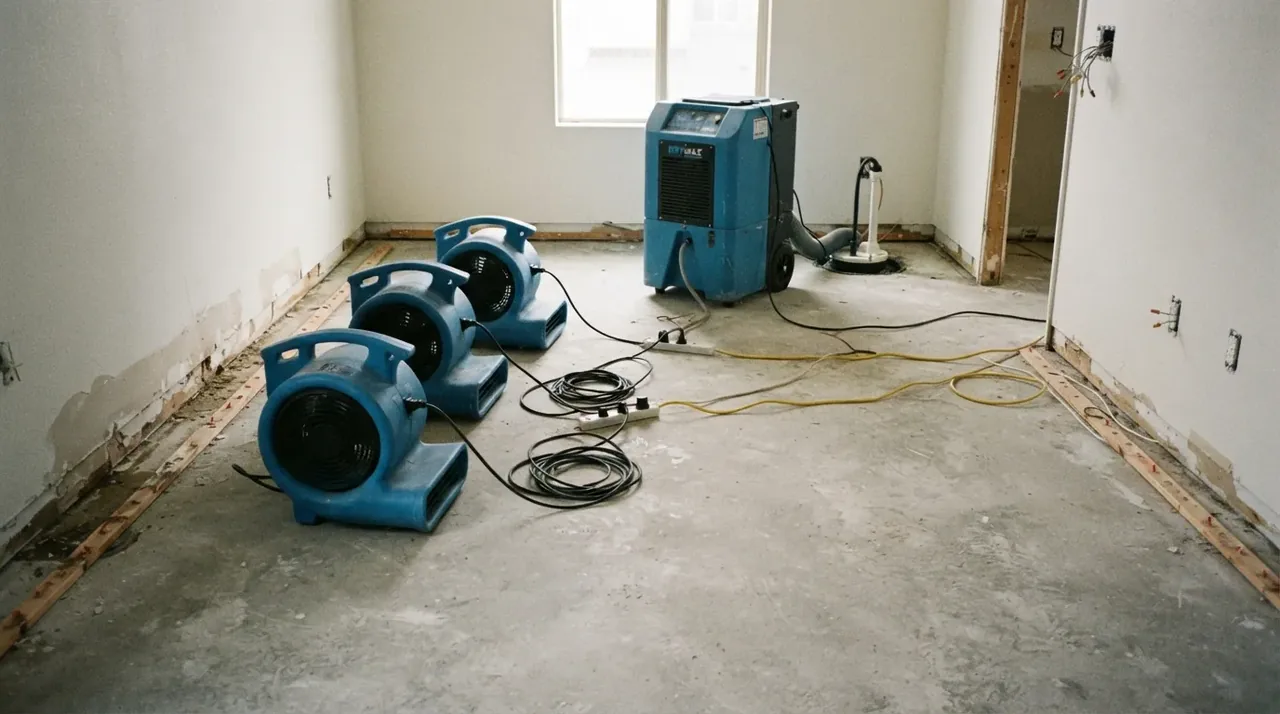
Texas law lets a homeowner work on their own home without a license, no matter the project's size, under the owner exemption. Whether that is wise for a large or heavily contaminated area is a separate, practical question. A company you hire needs a TDLR mold remediation license once the project's mold covers 25 contiguous square feet or more.
- FEMA says to keep floodwater-contaminated materials separate and use protective clothing while you work.
- EPA says unsalvageable moldy materials should be double-bagged in 6-mil-or-thicker plastic before you carry them out.
- FEMA says people with asthma, lung disease, or immune suppression should not enter buildings with visible or suspected mold.
A company you hire needs a TDLR mold remediation license once the project's mold covers 25 contiguous square feet or more, regardless of whether the water came from a pipe, a flood, or a sewage backup. Floodwater and sewage carry their own contamination risks, which is a separate reason to be careful, not what triggers the license requirement. If the water came from a specific source, start with the cleanup steps for that cause: flood damage restoration steps for Houston homes or what to do after a burst pipe in Houston.
Does Homeowners Insurance Cover Mold After Water Damage
Homeowners insurance usually excludes mold except when it results directly from a covered water loss, like a burst pipe. Flood damage and slow, ongoing leaks are typically excluded, and sublimits for mold cleanup vary a lot by policy, so check your declarations page or ask your insurer what your specific mold sublimit is.
- A sudden and accidental water release, like a burst pipe, is commonly covered.
- Flood, continuous leakage or seepage, and mold beyond the repair needed for a covered loss are typically excluded.
- Mold sublimits are not standardized in Texas; TDI-published endorsements have set them at 25%, 50%, or 100% of Coverage A.
- If you rent, tell your landlord about the water and any mold in writing; your renters policy covers your belongings, not the building.
These points come from the Texas Department of Insurance's consumer guide to homeowners insurance.
This page is general information, not legal or insurance advice. For a coverage question specific to your policy, contact your insurer or the Texas Department of Insurance.
For the deadlines an insurer must meet once you file a claim, see how water damage insurance claims work in Texas.
Questions to Ask a Mold Remediation Provider
Before you hire anyone for mold work, ask three things: their mold license number, who will act as the independent assessor, and whether you will receive a certificate of mold remediation when the work is done. A provider who cannot answer clearly is a reason to keep looking.
- What is your mold remediation license number? You can verify a license number with the Texas Department of Licensing and Regulation.
- Who is the independent mold assessor on this project? Under Texas law, the same license holder cannot do both the assessment and the remediation.
- Will I receive a certificate of mold remediation, and by what date?
- Ask the provider for proof of insurance and any trade license the job requires.
If a provider cannot name an independent assessor or will not commit to a certificate of mold remediation, that is a reason to keep asking around.
If That Did Not Work
If mold keeps coming back after you dry and clean an area, or a provider's answers do not add up, you have three next steps: recheck the moisture source, get a second, independent opinion, or find out who handles flood risk and water shutoff in your area.
- Try again: make sure the moisture source itself is fixed. A slow leak behind a wall or under a slab will keep feeding mold no matter how many times the surface is cleaned.
- Try another route: get an independent mold assessment before hiring a remediation company. Under Section 1958.155(a), the same license holder cannot perform both mold assessment and mold remediation on one project.
- Who to contact: for flood risk, water shutoff locations, and reporting options in the Houston area, see Houston flood zones and how to shut off your water.
What Changed on This Page
- September 2026: page published; phone numbers and legal deadlines checked against the official sources linked above.
Frequently Asked Questions
How fast can mold start after water damage in a Houston home? ▾
Do I need a license to remove mold in my own house? ▾
How small does a mold job have to be to skip the license requirement? ▾
Can the same company both assess and remove mold on my project? ▾
What is a certificate of mold remediation, and when do I get one? ▾
Does homeowners insurance cover mold after water damage? ▾
Do I have to give a home buyer my mold remediation records? ▾
Water in your home right now?
See who to call first in Houston, how to reach your water provider, and how to check your flood zone.
Who to Call First in Houston