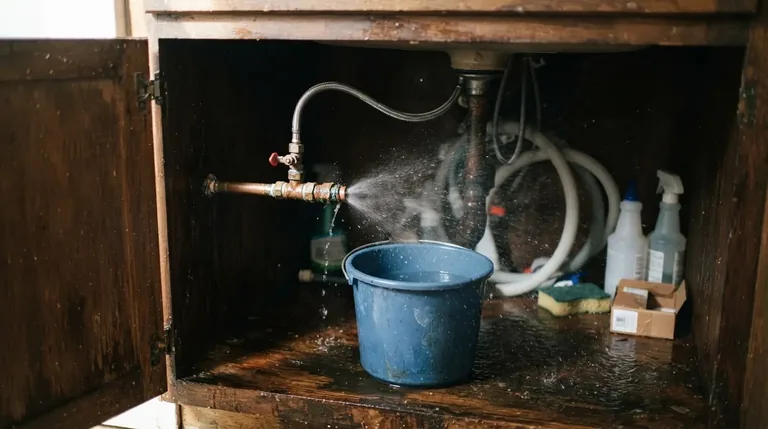
Burst Pipe Water Damage in Houston, TX: What to Do First
A burst pipe can release a large amount of water quickly. Shut off the water at the main valve, then call a plumber to fix the pipe and a restoration provider to dry out the water damage.
Who to Call First in HoustonWhat to Do in the First Few Minutes
Turn off the water at your home's main shutoff valve if you can safely reach it, then check whether it is safe to turn off electricity in the affected area. Move furniture and belongings away from the water, and photograph the damage before you touch anything you plan to file a claim on.
- Use your home's main shut-off valve if you can reach it safely. Do not force a valve you cannot operate; seek qualified help.
- Do not touch wet electrical outlets, switches or appliances. If the breaker panel is dry and reachable, turn off power to the affected area at the breaker; if the panel is wet, wait for a qualified professional.
- Move furniture, rugs, electronics and boxes away from standing water before it soaks in further.
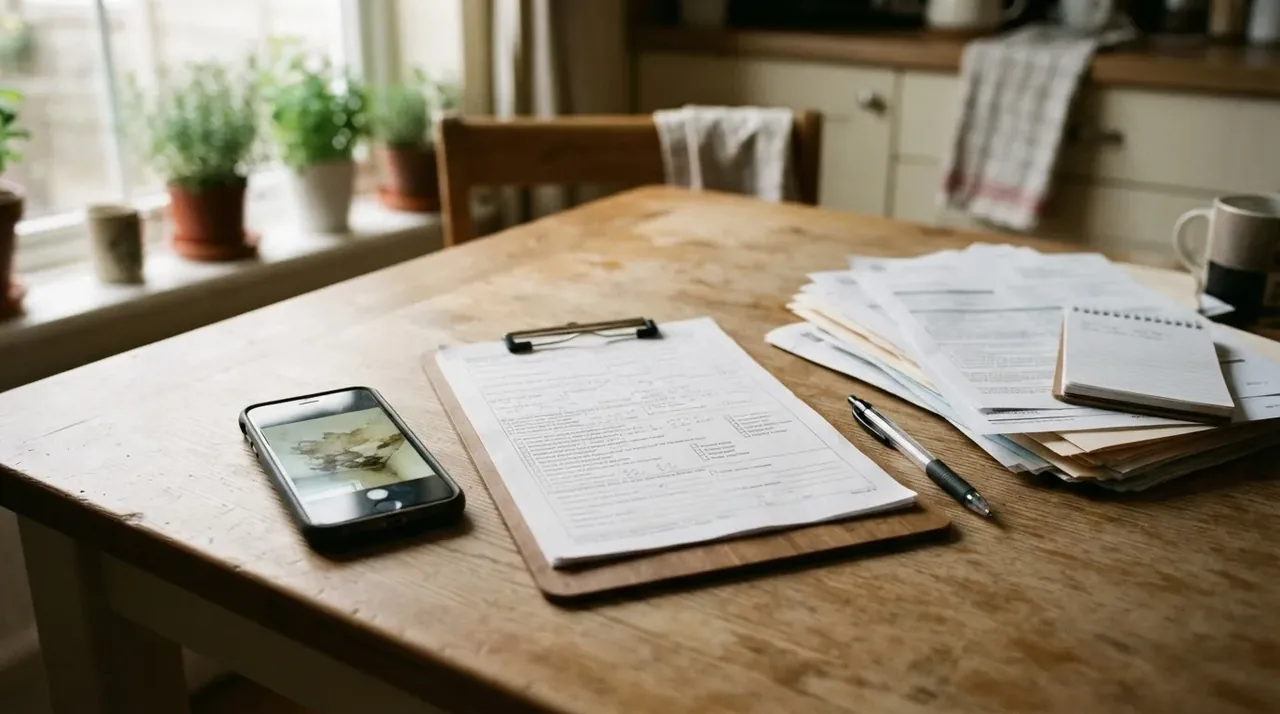
- Photograph and video every affected room, the water line on the walls and the pipe itself before you start cleanup or make any repairs.
- If the problem is on the city's side, such as a water main or sewer line under the street, report it through Houston 311 or 713-837-0311, which is staffed around the clock. Call 911 only for an immediate threat to life or property.
Do not make permanent repairs before your insurer has a chance to inspect the damage, unless the repair is needed for safety. Keep receipts for any temporary fixes, lodging or cleanup supplies.
Knowing your flood zone and where your main shut-off is ahead of time can help during an emergency. Find who to call first in Houston for local shutoff points and flood-risk areas near your home.
Why Pipes Burst in Houston Homes
Pipes that sit exposed in attics, garages or exterior walls with little insulation are vulnerable when temperatures drop below freezing for an extended stretch, as they did across Texas during Winter Storm Uri in February 2021. Water inside those pipes can freeze, expand and split the pipe wall.
Freezing is not the only cause. Plumbers and restoration providers in the Houston area also point to other possible causes, though there is no published count of how often each one leads to a claim locally:
- Water heaters installed in attics, where a slow leak or a tank failure can go unnoticed until it drips through the ceiling below.
- Slab leaks, where a pipe under the concrete foundation corrodes or shifts as Houston's expansive clay soil swells and contracts with rainfall.
- AC condensate lines that clog and overflow, soaking insulation and drywall near the unit.
Houston's Atlantic hurricane season runs June 1 through November 30, though tropical activity can occur outside those dates. Heavy rain unrelated to a named storm can also strain plumbing, drainage and slab foundations.
A burst pipe is a different problem than storm flooding. If your water came from outside the house, such as rising floodwater rather than a broken pipe, see flood damage restoration in Houston instead.
Who Fixes What: Plumber vs. Restoration Provider
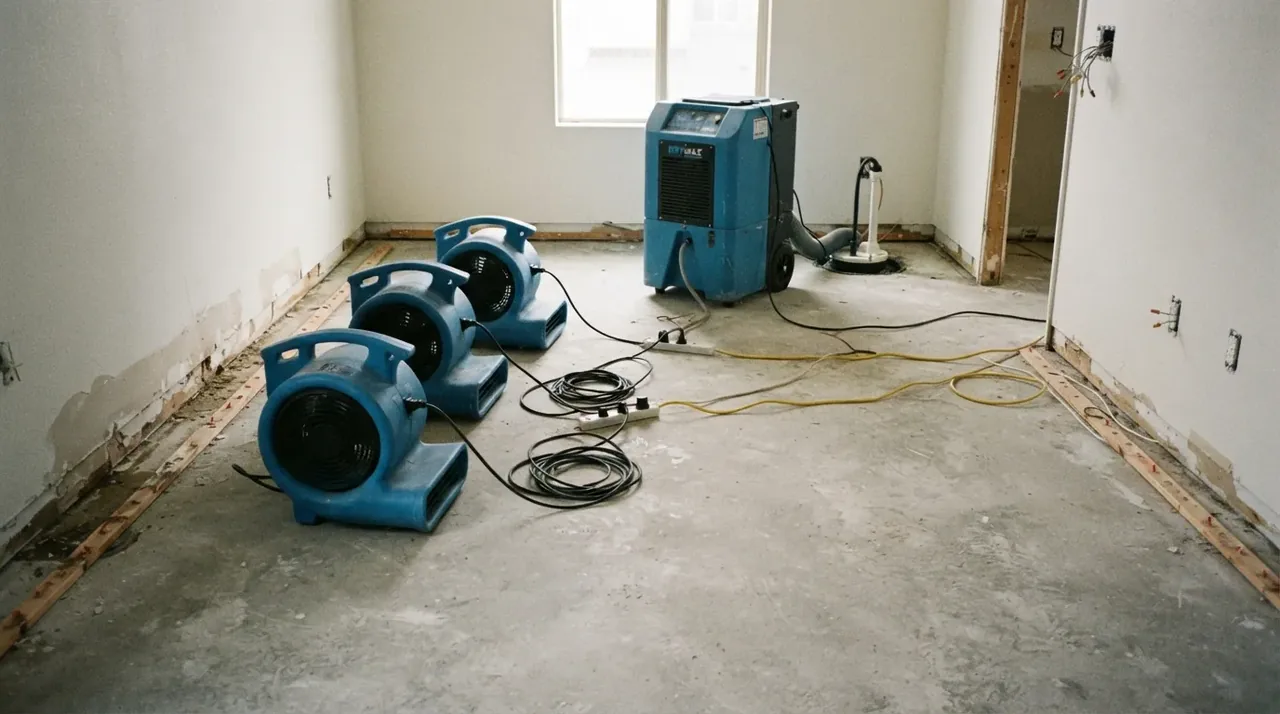
A burst pipe is actually two separate jobs. A plumber licensed by the Texas State Board of Plumbing Examiners repairs or replaces the broken pipe itself. A restoration provider removes the standing water, dries out the structure and checks the affected materials for mold risk. These are two separate jobs.
For the full picture of water damage help across the Houston area, including flood and mold pages, start from the Houston Water Damage Guide homepage.
| Who to Contact | What They Handle | Phone or Link | Checked |
|---|---|---|---|
| Licensed plumber (Texas State Board of Plumbing Examiners) | Repairs or replaces the broken pipe | Ask for their TSBPE license number | September 2026 |
| Restoration provider | Removes standing water, dries the structure, and checks affected materials for mold risk | A separate job from the pipe repair itself | September 2026 |
| City of Houston 311 | Reports a water main break or sewer backup on the public line | 311 in Houston, or 713-837-0311 from outside the city | September 2026 |
| Texas Department of Insurance complaint line | Handles complaints about how your insurer processed the claim | 800-252-3439, Monday-Friday, 8 a.m. to 5 p.m. Central | September 2026 |
Checked: September 2026. Ask any plumber for their trade license number and ask any restoration provider for proof of insurance before work begins.
Does Homeowners Insurance Cover a Burst Pipe?
A sudden and accidental discharge of water, like a pipe that suddenly splits, is generally covered by most standard Texas homeowners policies. Damage from a slow, continuous leak, such as a slab leak that has been dripping for months, is generally excluded. This page is general information, not legal or insurance advice.
- Sudden and accidental water discharge, like a pipe that suddenly splits: most standard policies generally cover this, subject to your policy's terms and deductible (Texas Department of Insurance).
- Flood water from outside the home: most standard homeowners policies generally exclude this; flood insurance through the NFIP is a separate product.
- Continuous leakage or seepage, like a long-running slab leak: most standard policies generally exclude this.
- Mold: most standard policies generally exclude this, except for remediation tied directly to a covered water loss.
Texas Insurance Code chapter 542 sets claim-handling deadlines: insurers generally have 15 days after receiving notice of a claim to acknowledge it, extended to the 30th business day for an eligible surplus lines insurer, then 15 business days to accept or reject the claim once they have all the items and forms they requested, then 5 business days to pay an accepted claim after that notice. These windows can be extended an additional 15 days in the event of a weather-related catastrophe or major natural disaster, as defined by the commissioner. See the full Texas insurance claim timeline for the complete breakdown.
If you rent, tell your landlord about the burst pipe in writing right away. Your renters policy generally covers your personal belongings, not the building itself.
If your insurer misses these deadlines, file a complaint with the Texas Department of Insurance at 800-252-3439, Monday through Friday, 8 a.m. to 5 p.m. Central.
Mold Risk After a Burst Pipe
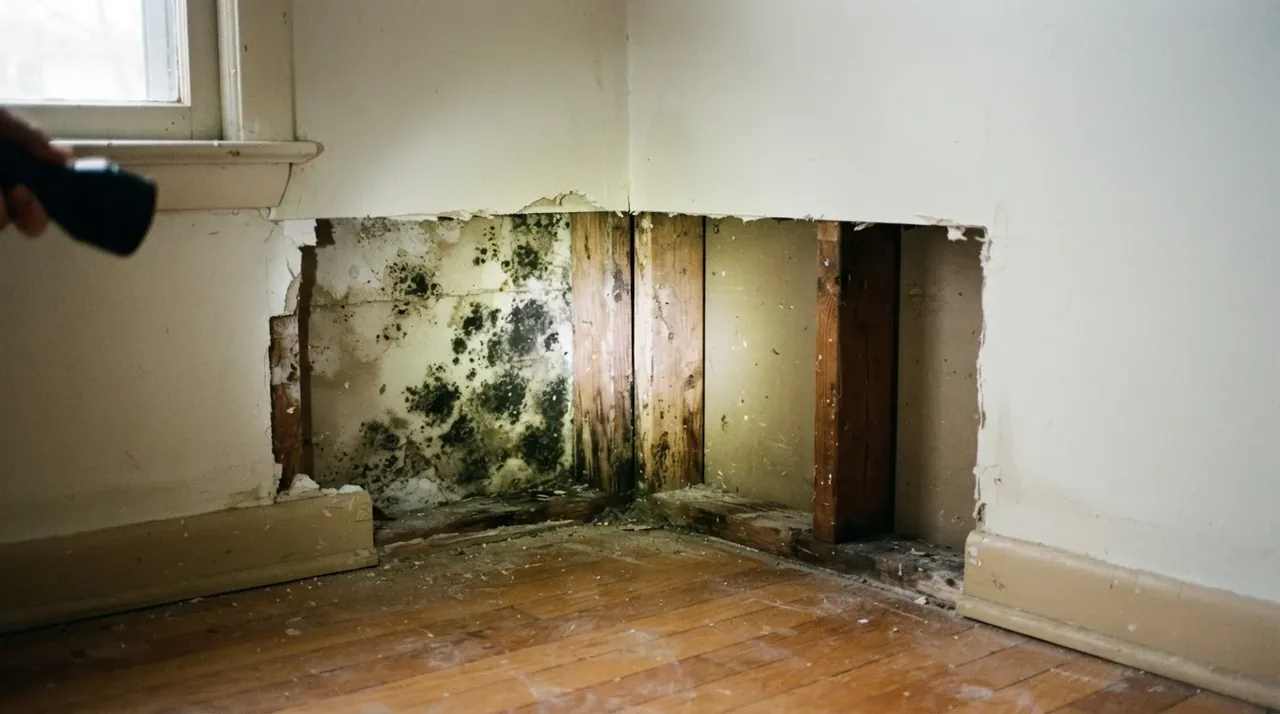
FEMA says wet carpeting, furniture, bedding and other items that hold moisture can develop mold within 24 to 48 hours. EPA says mold generally will not grow if wet or damp items are dried within 24 to 48 hours. CDC recommends drying out flood-affected areas fully and quickly within that timeframe.
- Texas law requires a license to perform mold assessment or mold remediation for pay, under the Texas Occupations Code, chapter 1958.
- A company you hire needs a TDLR mold remediation license once the project's mold covers 25 contiguous square feet or more; that size exemption applies to remediation, not to assessment.
- The law lets an owner assess or remediate their own residential property, with fewer than 10 dwelling units, without a license, regardless of area, unless the work is done as a business open to the public. Whether doing it yourself is wise for a large or contaminated area is a separate question.
- Ask any contractor doing mold work for their TDLR mold license before they start.
For the full mold-prevention timeline and what a restoration provider actually checks during drying, see mold risk after water damage in Houston.
If That Did Not Work
If the water keeps coming back, or your insurer has gone past its deadline without a decision, try the main shutoff valve again, confirm where the leak is really coming from, and follow up with your insurer or the city in writing.
- Try again: if water still runs after you close the main shutoff valve, the leak may be on the city's side of the meter, not inside your home.
- Try another route: if you cannot reach the shut-off valve or it will not close, do not force it; seek qualified help to stop the water.
- Contact someone else: for a city water main or sewer problem, use Houston 311 or 713-837-0311. If your insurer has not responded within the timelines described above, file a complaint with the Texas Department of Insurance at 800-252-3439.
Keep documenting the damage with photos and receipts while you wait for a response from any of these routes.
What Changed on This Page
- September 2026: page published; phone numbers and legal deadlines checked against the official sources linked above.
Frequently Asked Questions
Does homeowners insurance cover a burst pipe in Houston? ▾
How fast do I need to shut off the water? ▾
Who do I call for a water main or sewer problem, not the pipe inside my house? ▾
Do I need a licensed contractor for mold cleanup after a burst pipe? ▾
What if my insurer takes too long to respond to my claim? ▾
Should I throw away wet carpet, drywall or furniture right away? ▾
Do I need a public adjuster to handle my burst pipe claim? ▾
Water in your home right now?
See who to call first in Houston, how to reach your water provider, and how to check your flood zone.
Who to Call First in Houston