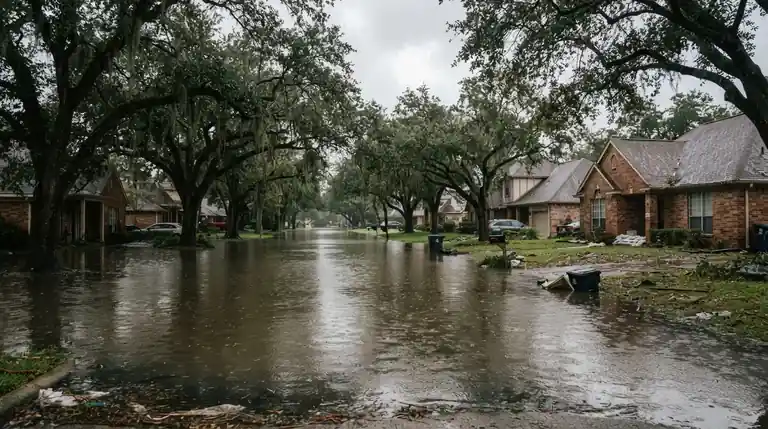
Flood Damage Restoration in Houston, TX: What to Do First
Floodwater from a Houston storm or bayou overflow may carry sewage, fuel, or chemicals, so treat it as potentially contaminated until it has been assessed, unlike a clean-water leak.
Who to Call First in HoustonHow Flood Cleanup Is Different From a Clean-Water Leak
Floodwater from a storm, an overflowing bayou, or street flooding is not the same as water from a clean supply-line break. It may carry sewage, fuel, or chemicals, so treat it as potentially contaminated until it has been assessed. A restoration provider looks at the water and the materials it touched before deciding what can be dried and what needs to be removed.
- Clean supply water comes from a fresh, treated water line, such as a burst pipe or a supply-line break.
- Used "gray" water comes from a dishwasher, washing machine, or shower drain.
- Sewage backups and floodwater come from a storm, bayou overflow, street flooding, or a sewer backup.
For general water damage cleanup steps in Houston, start with water damage restoration in Houston. This page covers flood cleanup specifically, since it follows a different insurance path than a clean-water leak.
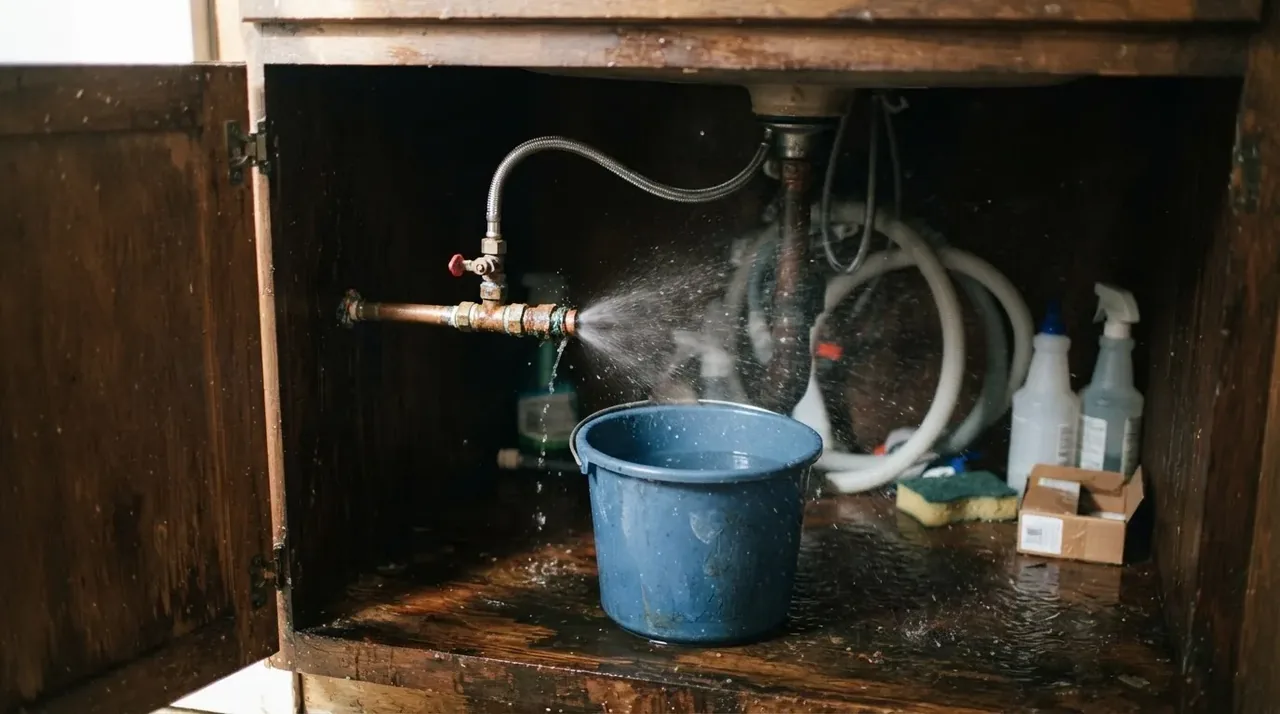
If your problem is a supply-line or appliance leak instead of floodwater, see burst pipe water damage cleanup in Houston.
Before You Go Back Inside: Safety First
Do not walk, wade, or drive through standing floodwater. Six inches of moving water can knock a person down, and one foot can float a vehicle. Wait until local officials say it is safe to return, and do not go back in if you smell gas, see structural damage, or find downed wiring near the house.
- Do not touch electrical equipment while it is wet or while standing in water; turn off power at the main breaker only if you can reach it safely.
- Run a generator outdoors and well away from windows and doors, never inside the house or garage.
- Shut off water at the home's shutoff valve if reachable; for a City water-main break or sewer backup, call Houston's 311 service or 713-837-0311.
- People with asthma, lung disease, or a weakened immune system should stay out of a building with visible or suspected mold.
If you smell gas, see downed wiring, or notice structural damage such as a leaning wall or sagging ceiling, stay outside and call the utility or 911 instead of continuing cleanup.
Document the Damage, Then Call Your Insurer
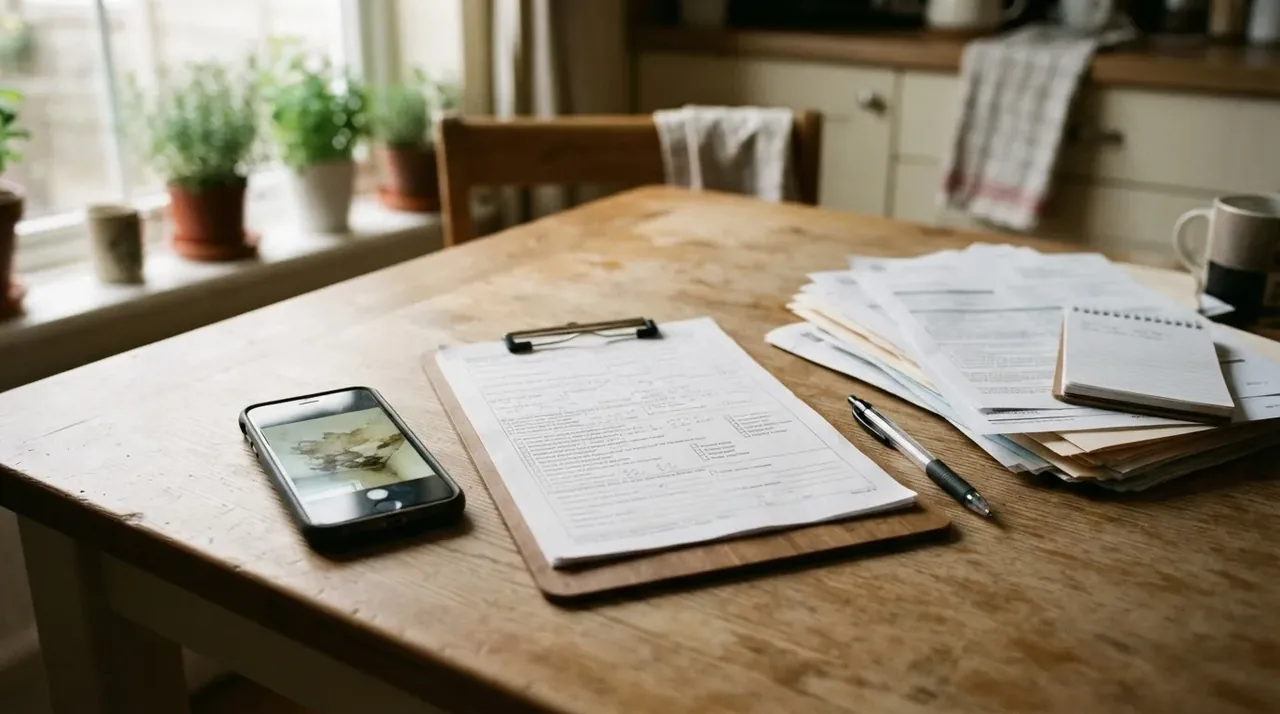
Photograph the damage before you clean anything up, and call your insurer as soon as you can. Keep receipts for temporary repairs, lodging, and cleanup. This is general information, not legal or insurance advice; a licensed agent or attorney can advise on your specific policy.
- Do not throw away damaged belongings until your insurer or adjuster has looked at them or told you it is fine, unless they are a health or safety hazard; photograph them first.
- Make only the temporary repairs needed to stop further damage, and save permanent repairs for after the adjuster's inspection unless safety requires otherwise.
- A standard Texas homeowners policy generally covers a sudden, accidental water release, like a burst pipe, but excludes flood, ongoing seepage, and most mold, according to the Texas Department of Insurance; for the details of filing a claim, see how a Texas water damage insurance claim works.
If you rent your home, tell your landlord about the flood damage in writing as soon as you can. Your renters policy generally covers your own belongings, not repairs to the building itself.
What Flood Insurance Covers
A separate National Flood Insurance Program (NFIP) policy, not your regular homeowners policy, is what typically pays for floodwater damage. It can cover up to $250,000 to repair or rebuild the structure and up to $100,000 for damaged contents, and a new policy usually takes 30 days to take effect, with limited exceptions. The Texas Windstorm Insurance Association covers wind and hail damage only; it does not pay for flood or storm surge.
Texas Insurer Deadlines After a Flood Claim
| Deadline | What It Means | Verification |
|---|---|---|
| Sec. 542.055(a) - acknowledge your claim | Not later than the 15th day after the insurer receives notice of your claim (an eligible surplus lines insurer has until the 30th business day) | Checked: September 2026 |
| Sec. 542.056(a) - accept or reject your claim | Not later than the 15th business day after the insurer has all the items it requested | Checked: September 2026 |
| Sec. 542.057(a) - pay an accepted claim | Not later than the 5th business day after the insurer notifies you it will pay | Checked: September 2026 |
| Sec. 542.059(b) - declared catastrophe extension | All deadlines above are extended by an additional 15 days after a weather-related catastrophe or major natural disaster, as defined by the Texas insurance commissioner | Checked: September 2026 |
| TDI insurance complaint line | Call 800-252-3439 if your insurer misses one of these deadlines | Checked: September 2026 |
Houston's Flood History and Floodplain Rules After Damage
Houston floods often, not just during hurricanes. Hurricane Harvey (2017) is one of the events homeowners still reference, and Harris County Flood Control District says a major flood happens somewhere in the county roughly every two years. If your home sits in a mapped floodplain, get a written determination from the City floodplain office before you repair or rebuild.
- Hurricane Harvey (2017) caused widespread home damage across Harris County (Houston Chronicle analysis of government data).
- Tropical Storm Allison (2001): more than 48,000 homes damaged, about 11,000 with major damage, and 3,600 destroyed (National Weather Service).
- Addicks and Barker reservoirs: neighborhoods around the two watershed pools flooded during Hurricane Harvey (Rice University's Baker Institute).
- As of a 2018 city count, more than 58,000 buildings inside Houston's city limits sat in the mapped 100-year or 500-year floodplain (City of Houston presentation).
Floodplain Rules Before You Repair or Rebuild
Get a written determination from the City floodplain office before you sign a repair contract or start rebuilding in a mapped floodplain.
Two Harris County Flood Control District tools are worth checking before and after a flood: the Flood Education Mapping Tool shows FEMA flood zones for an address, and the Flood Warning System tracks rainfall and bayou levels in real time.
Mold Risk After a Flood
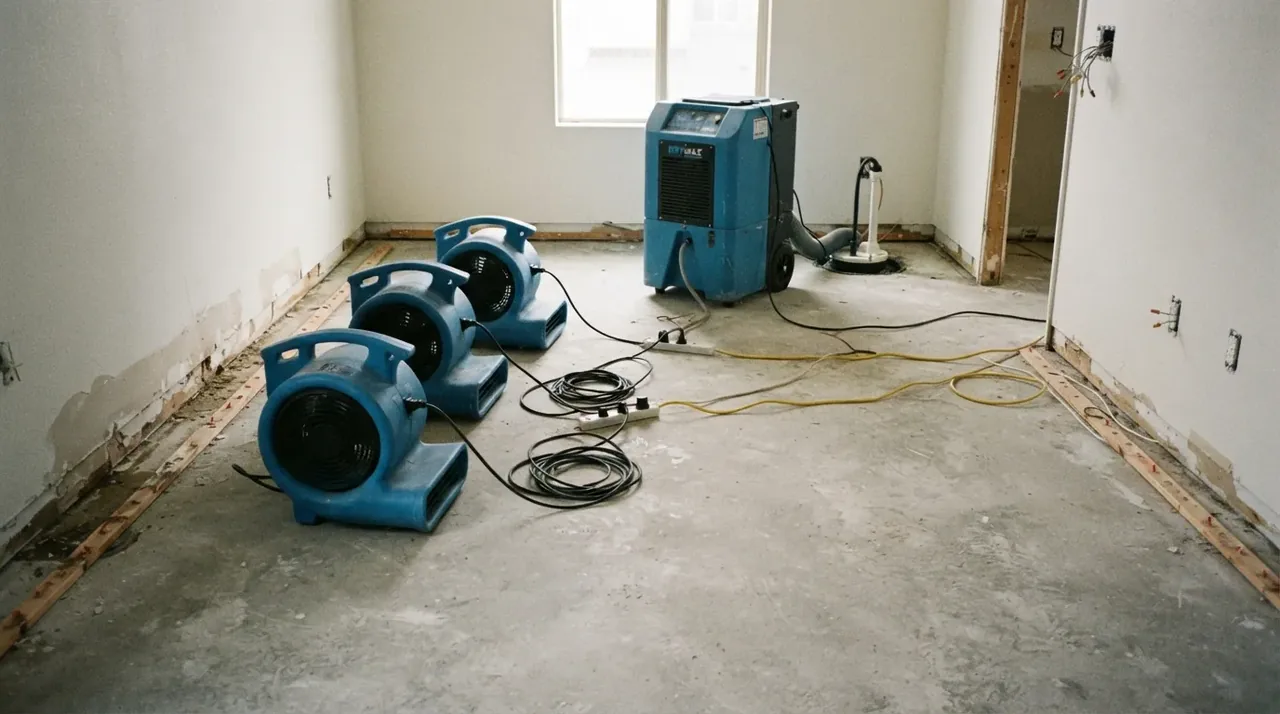
Wet materials can start growing mold quickly after a flood, so speed matters as much as safety. FEMA says wet carpeting, furniture, and bedding can develop mold within 24 to 48 hours; the EPA and CDC each publish their own guidance pointing to a similar drying window for carpets, drywall, and other porous materials.
- FEMA: wet carpeting, furniture, bedding, and other items holding moisture can develop mold within 24 to 48 hours.
- EPA: mold generally will not grow if wet or damp items are dried within 24-48 hours.
- CDC: dry out flood-affected areas fully and quickly, within 24-48 hours, to help prevent mold growth.
- In Texas, remediation work covering 25 or more contiguous square feet of mold generally triggers licensing and notification rules for the company doing the work, with some owner-occupied exceptions.
Mold cleanup after a flood is often handled differently from routine household mold, since a provider assesses whether floodwater-soaked materials can be cleaned or need to be removed.
For more on how a provider typically handles a mold job of this size and what Texas rules apply, see mold after water damage in Houston.
If That Did Not Work
If the water keeps coming back, the smell will not go away, or you are not sure the drying worked, do not wait to see if it clears up on its own. Try the steps below in order, and move to the next one if the first does not solve the problem.
- Try again: if a provider already worked on your home and moisture readings are still high or a musty smell remains, ask the provider to reassess the remaining moisture or odor before you sign off.
- Another route: if the first provider will not respond quickly or you are not comfortable with their answer, seek another provider's assessment.
- Who to contact: for a claim, missed deadline, or coverage question rather than the drying itself, contact your insurer or the Texas Department of Insurance help line at 800-252-3439.
Before a provider arrives, confirm your flood risk and how to shut off water to your home: see Houston flood zones and how to shut off your water.
What Changed on This Page
This section lists material changes we make to phone numbers, legal deadlines, and other checked facts on this page, not a history of Houston floods. Check here if you want to know when a number or a legal date was last verified.
- September 2026: page published; phone numbers and legal deadlines checked against the official sources linked above.
Frequently Asked Questions
Does homeowners insurance cover flood damage in Houston? ▾
Does my regular policy cover a burst pipe instead of a flood? ▾
Does TWIA cover flood damage in Houston? ▾
How much does NFIP flood insurance pay for a Houston home? ▾
Do I need a permit to repair flood damage in Houston? ▾
How fast can mold start after a flood? ▾
Do I need a licensed mold professional after a flood? ▾
Who do I call for a City water main break or sewer backup in Houston? ▾
Water in your home right now?
See who to call first in Houston, how to reach your water provider, and how to check your flood zone.
Who to Call First in Houston