
Water Damage Insurance Claims in Houston, TX
Texas law gives your insurer set deadlines to act, but flood damage needs a separate NFIP policy because standard homeowners policies generally exclude it.
Who to Call First in HoustonWhat Your Texas Homeowners Policy Actually Covers
Most standard Texas homeowners policies cover a sudden and accidental discharge of water, such as a burst pipe, according to the Texas Department of Insurance. They typically exclude flood, continuous leakage or seepage, and mold except when mold removal is part of repairing a covered water loss. This page explains those rules in plain terms; it is general information, not legal or insurance advice.
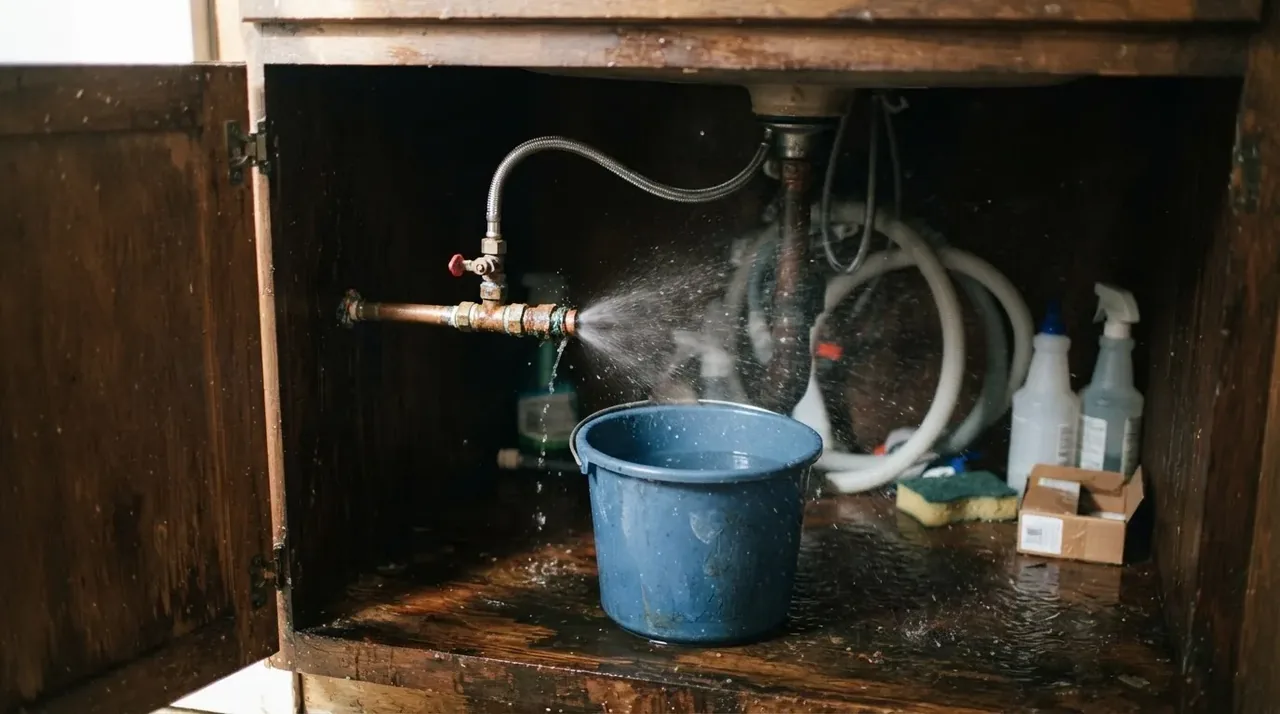
- Sudden and accidental discharge, such as a burst pipe or water line that suddenly gives way, is typically a covered loss
- Flood water from rising bayous, storm surge, or heavy rain runoff is generally excluded from a standard homeowners policy
- Continuous leakage or seepage that builds up slowly over weeks or months is typically excluded
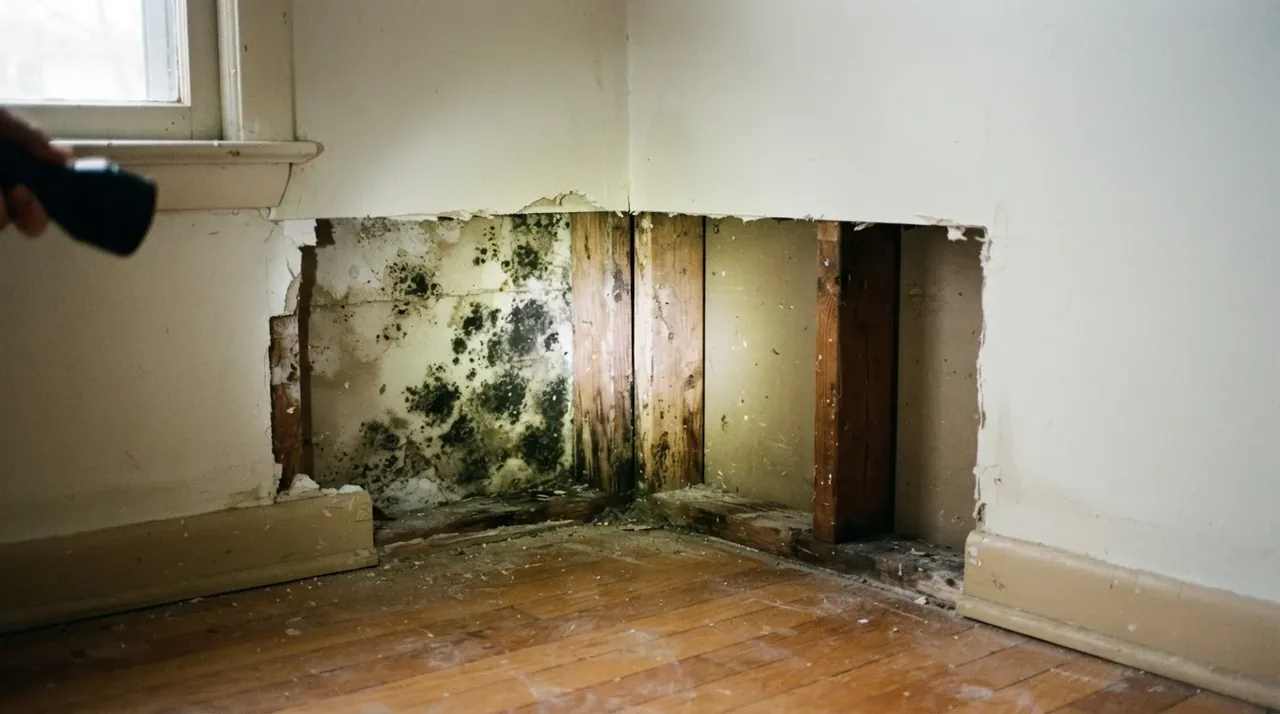
- Mold is generally excluded unless it results directly from a covered water loss
When mold cleanup is covered because it followed a burst pipe or other covered loss, the payout is usually still capped. TDI-approved mold coverage endorsements show sublimits set at 25%, 50%, or 100% of your dwelling (Coverage A) limit, depending on the insurer and endorsement — Texas does not set one statewide amount, so check your own declarations page.
If you rent your home, tell your landlord about the damage in writing as soon as it happens. Your renters policy covers your own belongings, not the building — repairing the structure is the landlord's insurer's responsibility, not yours.
Read your own declarations page for the exact perils, exclusions, and deductible that apply to your policy. That document controls how your specific claim is handled, more than any general summary on this page.
Flood Damage Needs a Separate Policy
Most standard policies generally exclude flood damage; your policy wording controls. Flood coverage comes from a separate National Flood Insurance Program (NFIP) policy, and a wind-only policy like TWIA does not cover flooding either. Check which policies you actually hold before you assume you are covered.
- NFIP building coverage tops out at $250,000
- NFIP contents coverage tops out at $100,000
- A new NFIP policy usually takes 30 days to take effect, with some exceptions
- TWIA covers wind and hail damage only — not flood, storm surge, or rising water
Homeowners sometimes assume they are safe because their house has never flooded before, but flood maps get updated and heavy rain events do not always follow past patterns. The only way to know your actual coverage is to check whether you hold a separate NFIP or private flood policy, not just a standard homeowners policy.
For coverage limits and the waiting period in full, see NFIP flood insurance details from FEMA. For what happens after the water recedes, see the flood damage restoration steps for Houston-area homes.
Texas Law Sets Deadlines for Your Insurer
Texas Insurance Code Chapter 542 sets specific deadlines for how fast your insurer must respond once you file a claim. Miss one of these dates on the insurer's side and it can owe you interest and costs on top of the claim itself — the table below lists each deadline by section number.
| Statute Section | Deadline | What the Insurer Must Do | Checked |
|---|---|---|---|
| §542.055 | 15th day (30th business day for an eligible surplus lines insurer) | Acknowledge the claim, start investigating, and request the forms it needs | September 2026 |
| §542.056 | 15th business day | Accept or reject the claim in writing after receiving all requested items | September 2026 |
| §542.056(d) | 45th day | Accept or reject the claim if it needed more time and told you why in writing | September 2026 |
| §542.057 | 5th business day | Pay an accepted claim after notifying you it will pay | September 2026 |
| §542.058 | More than 60 days | Late payment more than 60 days after the insurer received all items it reasonably requested can trigger interest and costs under §542.060 | September 2026 |
| §542.059(b) | +15 days | Extra 15 days added to the deadlines above in the event of a weather-related catastrophe or major natural disaster, as defined by the commissioner | September 2026 |
Read the dates carefully: §542.055 counts calendar days, including weekends (or the 30th business day if the insurer is an eligible surplus lines insurer), while §542.056 counts business days only, which usually gives the insurer more real time to respond. The extension in §542.059(b) applies only in the event of a weather-related catastrophe or major natural disaster, as defined by the commissioner. Full text: Texas Insurance Code Chapter 542.
None of these deadlines force your insurer to approve the claim — they only control how fast it must respond once you have provided what it asked for. That is why keeping your own dated copy of every letter, email, and form you send matters as much as the deadlines themselves.
How to File Your Water Damage Claim
Filing a Texas water damage claim is more straightforward when you stop the source, document the damage, and notify your insurer right away. None of these steps require a restoration provider to already be on site.
- Shut off the water at your home's main shutoff if you can reach it safely; for a City of Houston water or sewer problem, call 311 or 713-837-0311
- Photograph and video the damage before you clean anything up — capture the rooms, the water line on the walls, and the source if you can see it
- Make only the temporary repairs needed to stop further damage, such as a tarp; hold off on permanent repairs until the insurer has a chance to inspect, unless safety requires them sooner
- Keep every receipt for temporary repairs, equipment rental, and any hotel stay tied to the loss
- Notify your insurer as soon as possible — that notice date starts the §542.055 acknowledgment deadline, while the §542.056 accept-or-reject deadline starts once the insurer has all the documents it requested
- Do not throw away damaged property until the insurer or adjuster has seen it or told you to, unless it is a health or safety hazard; photograph it first
Once your insurer assigns a claim number, write it down along with your adjuster's name and direct contact information. Confirming these details early avoids delays later if you need to send more documents or follow up on a deadline the insurer has missed.
For general steps to take right after any water event in the house, see the Houston water damage overview. For anyone dealing with this right now, start with the Houston flood zones and water shut-off guide to find who to call first.
Public Adjusters and When to Contact TDI
You are not required to hire a public adjuster to file a Texas water damage claim. If you do hire one, Texas law requires that person to hold a Texas Department of Insurance (TDI) license and caps how much of your settlement they can keep as a fee.
- A public adjuster must hold a TDI license under Insurance Code Chapter 4102
- Total commission cannot exceed 10% of the insurance settlement (§4102.104(a))
- No percentage fee is allowed if the insurer pays, or commits in writing to pay, the full policy limit within 72 hours after you report the loss (§4102.104(b))
Whether you handle the claim yourself or hire a public adjuster, the Chapter 542 deadlines above still apply to your insurer either way. Hiring help changes who manages the paperwork, not how fast the insurer has to respond.
If you believe your insurer is missing these deadlines or handling your claim unfairly, you can file a complaint with the Texas Department of Insurance at 800-252-3439, staffed 8:00 a.m. to 5:00 p.m. Central time, Monday through Friday. Start at the TDI insurance complaint help page.
If That Did Not Work
If your insurer misses a Chapter 542 deadline or denies part of your claim, you have three ways to push back: follow up in writing, bring in outside help, or escalate to the state regulator. Write down every date and name as you go.
- Try again: send a written follow-up that cites the specific Chapter 542 section and date the insurer missed, and ask in writing why the claim has not been accepted, rejected, or paid
- Try another route: ask a TDI-licensed public adjuster to look at the file, or have an attorney read the denial letter. Texas law sets a deadline to sue an insurer; ask TDI or an attorney what it is for your claim
- Contact the regulator: call the Texas Department of Insurance at 800-252-3439, 8:00 a.m. to 5:00 p.m. Central time, Monday through Friday, and put your complaint in writing if the call does not resolve it
What Changed on This Page
- September 2026: page published; phone numbers and legal deadlines checked against the official sources linked above.
Frequently Asked Questions
Does homeowners insurance cover a burst pipe in Texas? ▾
Does homeowners insurance cover flood damage? ▾
Does my policy cover mold after a water leak? ▾
How long does my insurer have to acknowledge my claim? ▾
How long before my insurer must accept or reject my claim? ▾
Do I need a public adjuster to file a claim? ▾
What if my insurer is not following these deadlines? ▾
Is there a deadline to sue my insurance company in Texas? ▾
Water in your home right now?
See who to call first in Houston, how to reach your water provider, and how to check your flood zone.
Who to Call First in Houston